A lease turnover can turn a working commercial kitchen into a deadline-driven cleanout. The equipment list may include bulky appliances, fixtures, shelving, and other items that must be sorted, moved, or left in place while owners, landlords, and contractors coordinate access.
Restaurant equipment removal is the process of identifying what must leave, preparing a safe and accessible pickup area, and coordinating loading, transport, disposal, and cleanup. Start by separating items to keep, sell, or remove, then confirm utility disconnections and any lease requirements with the appropriate professionals before scheduling help.
Good planning prevents a last-minute scramble, especially when narrow doors, loading zones, shared buildings, or inspection deadlines affect the handoff. The first step is to define exactly what belongs in the removal scope and what needs separate technical attention.
Get a free onsite estimate for restaurant equipment removal
What Does Restaurant Equipment Removal Include?
Restaurant equipment removal is the planned clearing of bulky kitchen, prep, storage, and service items from a commercial space. It can support a lease turnover, renovation, closure, or change in operators. The exact scope depends on the equipment, its condition, the access route, and what the owner or property manager needs left behind.
Common examples may include commercial ovens, ranges, griddles, fryers, prep tables, shelving, dishwashers, sinks, refrigerators, freezers, ice machines, beverage equipment, and other kitchen fixtures. This list is for planning purposes, not a promise that every item is accepted in every situation. Before scheduling, share an inventory and photos so the removal team can confirm the items, access requirements, and service scope.
For a broader commercial cleanout, review Vets Move Junk’s commercial cleanout services. You can also review the company’s appliance removal options when deciding which ordinary appliances and related items to include.
Removal is different from technical disconnection
Loading and hauling an item are not the same as disconnecting it from gas, electrical, water, sewer, or refrigeration lines. Have the appropriate qualified professional make those connections safe and confirm that equipment is ready to move. This is especially important for refrigeration. EPA Section 608 requirements address safe disposal of refrigeration equipment, and certain retail food refrigeration equipment that is dismantled on-site must have refrigerant recovered before disposal. See the EPA safe-disposal requirements for the applicable details.
Ask the property owner, landlord, or utility professional whether anything must remain in place. Once disconnection and access are confirmed, a removal provider can evaluate the physical move, loading, transport, and cleanup portion of the turnover.
When Is Professional Removal the Right Choice Before a Lease Turnover?
Professional removal is worth considering when clearing the kitchen involves more than a few lightweight items. Restaurant equipment is often heavy, bulky, awkwardly shaped, or positioned in a space that was designed for daily operations rather than easy exit. A professional crew can help you plan the removal around the building, the equipment, and the handoff date instead of treating each item as a separate last-minute problem.
Weight and access can change the job
Walk the route from the equipment to the loading point before scheduling pickup. Note stairs, narrow doors, elevators, tight turns, loading docks, and shared corridors. A commercial refrigerator, prep table, range, or collection of shelving may require careful maneuvering and more than one person. Photos of the equipment and access route help a removal provider understand the scope and identify questions before arrival.
Multiple items are easier to coordinate together
If the turnover includes several pieces of equipment, fixtures, packaging, or other unwanted contents, combining them into one coordinated cleanout may be more efficient than arranging separate hauls. Make a simple list that separates items to keep, sell, donate through an approved channel, or remove. Confirm the provider’s accepted-item scope before assuming that a particular appliance or commercial fixture can be hauled away.
Deadlines are another strong reason to plan early. Lease terms may require the space to be empty, swept, or ready for inspection by a specific date. Availability depends on the size of the job and the schedule, so do not assume that same-day service will be available. Coordinate with the landlord or property manager about access, loading rules, elevator reservations, and any required proof of completion.
For a broader process, review this commercial junk hauling guide. It can help you organize the removal scope before requesting an estimate and reduce surprises during the final handoff.
What Should You Keep, Sell, or Schedule for Removal?
Before a lease turnover, separate equipment by its next destination instead of treating the entire kitchen as one pile. Start with an inventory that records each item’s condition, dimensions, location, ownership, and connection status. Photograph equipment in place, including labels and visible damage, so the owner, landlord, buyer, and removal team can work from the same information.
Keep items that belong in the next operation, fit the approved layout, and are ready to remain safely in place. Sell an item only when you have enough time to find a buyer, arrange access, and coordinate its removal without putting the turnover date at risk. Selling equipment is your responsibility or your chosen resale partner’s responsibility. Vets Move Junk provides removal and hauling, not equipment brokerage or sales.
Decision guide for restaurant equipment before a lease turnover
| Decision | Use it when | Confirm before the deadline |
|---|---|---|
| Keep | The equipment is needed, fits the next plan, and ownership is clear. | Leave it accessible, document its condition, and confirm whether utilities must remain connected. |
| Sell | The item is owned by you, usable, and there is realistic time for a buyer to complete pickup. | Set a firm buyer-removal cutoff and keep a backup removal plan if the sale does not close. |
| Schedule for removal | The item is unwanted, too damaged to keep, or unlikely to move before handoff. | Confirm access, dimensions, stairs or loading limits, and any required professional disconnection. |
Do not let a pending sale leave bulky equipment blocking walkways, loading areas, or spaces needed for final cleaning. If the equipment is connected to gas, electrical service, or refrigeration, arrange qualified disconnection before pickup and confirm what remains in the removal scope. For general accepted-item guidance, review what Vets Move Junk takes, then share the inventory during scheduling so the removal plan matches the site.
How Do You Prepare a Restaurant for Equipment Pickup?
A smooth pickup starts with clear decisions and a documented handoff. Use this sequence to help the removal team understand the scope and avoid surprises at the property.
- Build a complete inventory. Walk the kitchen, storage rooms, dining area, and exterior service spaces. List each item that should be removed, including equipment, fixtures, shelving, and loose materials. Mark every item as keep, sell, donate, or remove, and identify anything that may remain the landlord’s property. Photos and simple measurements are useful when an item must fit through a doorway or loading route.
- Confirm ownership and approvals. Get written direction from the business owner, landlord, property manager, or other authorized decision-maker before scheduling removal. Confirm whether built-in equipment, leased appliances, attached fixtures, or abandoned items have special instructions. If the lease requires a particular condition at turnover, add those requirements to the job notes.
- Map the access path. Check door widths, stairs, elevators, corridors, gates, loading zones, and parking restrictions. Remove small obstacles from the planned route where possible. Reserve an elevator or loading area if the property requires it, and tell the crew about time limits, security procedures, or restricted entrances.
- Confirm utility disconnection with qualified professionals. Do not disconnect gas, electrical, water, or refrigeration systems unless you are qualified and authorized to do so. Arrange the appropriate licensed or otherwise qualified professional to make the system safe, then confirm what equipment is ready for removal. Vets Move Junk can coordinate the pickup scope, but should not be represented as performing specialized utility or refrigerant disconnection.
- Send current photos and set the handoff time. Share wide photos of the equipment and access route, plus close-ups of labels or connections when helpful. Confirm the item list, arrival window, on-site contact, access instructions, and who will approve the final handoff. For broader property preparation, review the commercial removal checklist for property managers.
Keep the area around food, utensils, and remaining equipment protected while items wait for removal. California food-facility rules require waste handling to avoid contamination, public-health hazards, and interference with cleaning.
What About Refrigeration, Gas, and Electrical Connections?
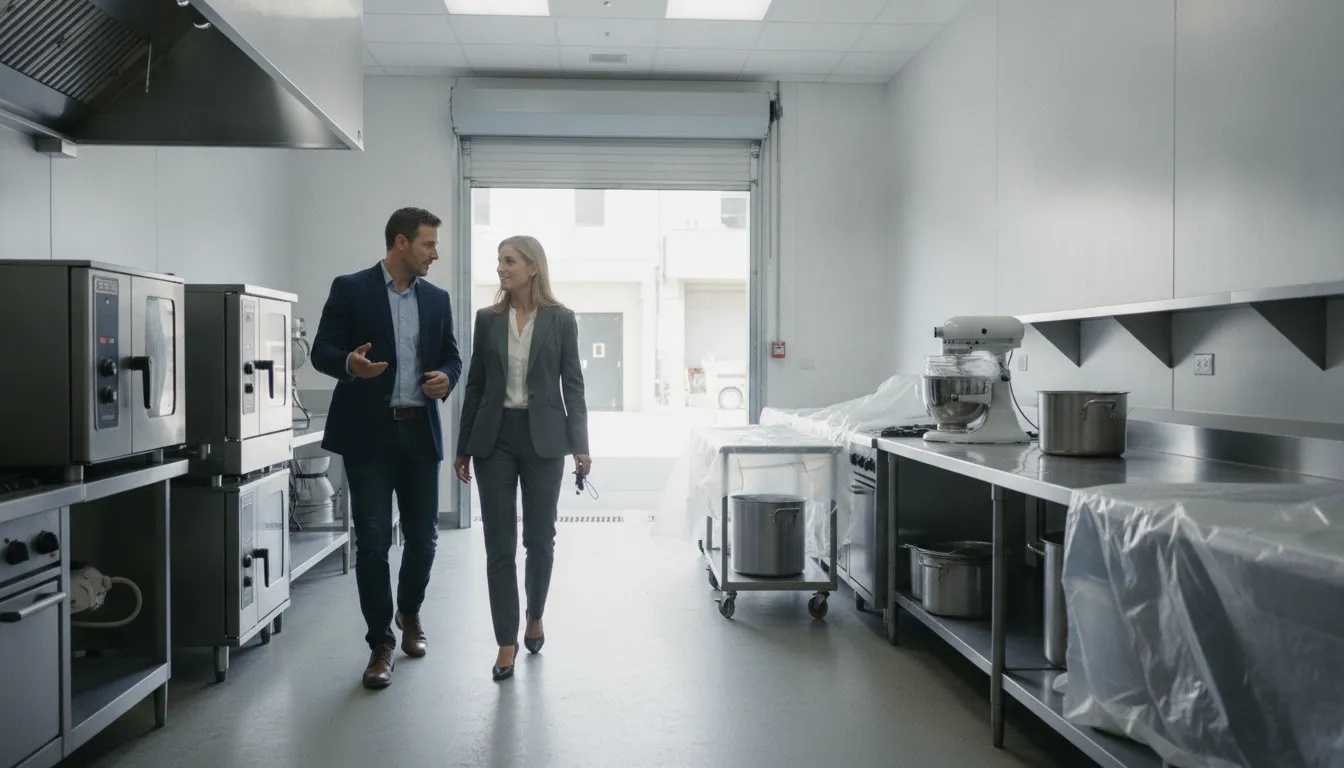
Restaurant equipment removal should begin only after the equipment is safe to move. Refrigeration lines, gas connections, and electrical service can involve stored energy, pressurized systems, refrigerant, or site-specific code requirements. A removal crew should not be expected to guess whether an appliance has been disconnected correctly. Confirm the scope with the property owner, landlord, facility manager, and the appropriately qualified professional before scheduling pickup.
Refrigeration needs special attention
Commercial refrigerators, freezers, ice machines, and other cooling equipment may contain regulated refrigerant. The U.S. Environmental Protection Agency explains that Section 608 includes safe-disposal requirements for refrigeration and air-conditioning equipment. Retail food refrigeration that is dismantled on-site generally must have its refrigerant recovered before disposal under EPA servicing requirements. Review the EPA safe-disposal requirements and arrange recovery through a properly qualified refrigeration professional when necessary.
Ask for documentation when refrigerant has been recovered, particularly if the equipment will enter a disposal or recycling chain. Keep that record with the equipment inventory and lease-turnover files. Do not puncture, cut, or dismantle a refrigeration system yourself just to make it easier to move.
Gas and electrical work should be confirmed before pickup
Gas-fired ranges, ovens, fryers, water heaters, and similar equipment should be disconnected by an appropriately qualified gas professional. Electrical equipment may also require a qualified electrician to isolate circuits, remove hardwired connections, or verify that a panel and surrounding area are safe. The removal scope should identify whether those technical services are complete before loading is scheduled.
California food-facility rules also require suitable facilities and equipment for storing or disposing of waste material, with waste-handling areas arranged to avoid public-health hazards and interference with cleaning. The California Retail Food Code provides the governing text. Keep disconnected equipment, parts, and waste separated from active food areas, and confirm the handoff plan before the removal appointment.
Vets Move Junk can review the items, access conditions, and removal scope with you, but you should not assume technical disconnection or hazardous handling is included. Share clear photos and confirm what is ready for removal before booking.
How Does Restaurant Equipment Removal Pricing and Scheduling Work?
Restaurant equipment removal estimates are based on how much truck space your items use, not on an hourly billing model. That approach helps connect the estimate to the actual size of the load. The estimate framing can include professional loading, transport, disposal fees, and cleanup, so you can plan the turnover without piecing together separate removal charges.
For more detail about how the volume-based model works, review the junk removal pricing and estimate process. The final scope depends on the items and conditions at your property, so an onsite review is the best way to create a useful estimate.
What to Share Before the Onsite Estimate
When you request an estimate, provide a practical inventory rather than only describing the job as a kitchen cleanout. Include the types and approximate quantities of equipment, fixtures, furniture, and other items that need to leave. Photos can help clarify the load, especially when equipment is stored behind counters, in a back room, or in a tight access area.
- List what should be removed and what will remain for the next tenant.
- Share the property address, pickup area, access instructions, and any loading restrictions.
- Note the lease or handoff deadline and whether a landlord, property manager, or other decision-maker must approve the scope.
- Confirm that qualified professionals have handled any required utility or refrigeration disconnection before removal is scheduled.
How Scheduling Fits the Scope
Availability depends on the size of the load, access conditions, preparation, and the date you need the space cleared. A detailed inventory and clear deadline help the team assess the work and identify an appropriate appointment window. Avoid assuming that a particular same-day slot is available before the scope is reviewed.
To discuss the job and request a free onsite estimate, book restaurant equipment removal online. Clear information up front makes it easier to coordinate the removal with your lease turnover and final cleanup.
What Should Be on Your Lease-Turnover Removal Checklist?
A clear checklist keeps restaurant equipment removal from becoming the last unresolved item before you return the keys. Work through these details with the operator, property manager, landlord, and removal team:
- Inventory the space: List every item that will stay, move, be sold, or be scheduled for removal. Include equipment, shelving, fixtures, loose furniture, and unwanted debris.
- Confirm ownership: Get written approval before removing anything that belongs to the landlord, equipment lessor, former operator, or another business. Keep sale, donation, transfer, and disposal decisions separate.
- Confirm technical disconnection: Ask a qualified professional to verify that gas, electrical, water, and refrigeration connections are safely disconnected when required. Restaurant equipment removal should not begin until the removal scope is clear.
- Coordinate access: Confirm the loading entrance, elevator or dock rules, parking permissions, security procedures, and any restricted access times. Share narrow doorways, stairs, tight turns, and other obstacles before the appointment.
- Set the timeline: Work backward from the lease handoff. Allow time for equipment removal, loading, cleanup, a final walkthrough, and corrections if the property manager identifies anything remaining.
- Plan the load: Group items by room and identify what can be safely reached without moving equipment that is staying. A complete inventory helps the crew understand the likely truck space and scope.
- Document the condition: Photograph cleared rooms, floors, walls, utility points, and loading areas after the work. Save disposal or handoff records required by your lease or property manager.
For a broader coordination reference, use this commercial removal checklist. If the turnover includes fixtures and general debris beyond kitchen equipment, review the company’s commercial cleanout services as part of your final scope.
Get a free onsite estimate before your lease-turnover removal deadline
Frequently Asked Questions
What should I do with old commercial kitchen equipment?
Start with an inventory and separate items into keep, sell, donate if independently arranged, and remove. Confirm which fixtures and appliances must leave the premises, then check access, utility status, and the lease-turnover deadline. Ask the removal provider to confirm the equipment and cleanup scope before scheduling.
How can I sell used restaurant equipment before a lease turnover?
Photograph each item, record its make, model, condition, and dimensions, and set a firm pickup deadline. Keep sale arrangements separate from the removal plan so unsold equipment does not delay the handoff. If an item is not sold in time, schedule its removal and confirm who is responsible for disconnecting utilities.
How much is used restaurant equipment worth?
Value depends on factors such as brand, age, condition, completeness, demand, and whether the buyer can remove it. There is no reliable single figure without inspecting the specific item. Compare realistic offers with the time and coordination required to sell it, especially when a lease deadline is fixed.
What is considered restaurant equipment?
Restaurant equipment can include cooking appliances, refrigeration units, prep tables, shelving, sinks, storage fixtures, and other commercial kitchen items. The exact removal scope depends on the property, lease requirements, and item condition. Confirm acceptance and any technical limitations before arranging pickup.
Ready to Book Restaurant Equipment Removal?
A clear removal plan can help you coordinate access, confirm the scope, and keep your lease-turnover handoff organized. Share the equipment list and site details so the next steps can be reviewed before the scheduled visit.
Book a free onsite estimate for restaurant equipment removal