
An old refrigerator can weigh hundreds of pounds, hide a live water line, and barely clear the kitchen doorway. Expert appliance removal turns that stressful job into a planned pickup with a clear price, safe route, and responsible handling.
Book appliance removal and get a free onsite estimate.
Appliance removal services provide a safe way to get rid of heavy home units like fridges, stoves, and washers. Most teams set prices based on the size of the item and how hard it is to move. Safe handling is key because units like fridges have gases that can hurt the air if they leak. In fact, Section 608 of the Clean Air Act bans the release of these gases when you throw items away. A pro team will cut the power, lift the heavy unit with the right tools, and take it to a center for reuse. This service saves your back and keeps metal out of local trash piles. You can prepare for your pickup by clearing a path to the door and making sure the item is empty.
Many people want to know what they will pay for this help. A few details inside and outside the home affect the onsite quote. Knowing the main appliance removal cost factors helps you prepare before the crew arrives.
What affects appliance removal cost?
Many people want to know the price to haul away an old stove or fridge. The final quote depends on a few key things. We do not give set prices over the phone. Instead, we look at the job on-site to give you a fair price.
Truck space and item size
This helps us see just what we need to move and how much space it will take in the truck. Most junk removal fees depend on how much space your items fill in the truck. We look at the volume of your old units. A small microwave takes very little room, but a large fridge takes much more.
If you have many items, the total space will be higher. We use truck-fill pictures to help you see how we group items. The type of unit also matters. Some items are very heavy and hard to lift.
A big washing machine needs more power and better tools to move. Our pricing for junk removal includes the cost of the crew and the truck. We aim to be clear and fair with every quote we give.
Access and labor needs
Where you keep your items in the home changes the cost too. It is much easier to pick up a stove from a driveway than from a basement. If our team has to go up and down stairs, it takes more time and work.
Tight halls or small doors can also make the work slow. We may need to use more people or special carts to move big items safely. You can help keep costs low by getting the items ready.
If you can move the unit to the curb or yard, the job will be fast. We also suggest that you prep for your appliance removal service by clearing a path to the door. This keeps your floors and walls safe. A clear path means our team can work much faster.
Fees and safety rules
Some units have parts that need special care. For example, old units often have gas or oil that can be a hazard. The EPA has strict rules for how we must handle these items. We must use special tools to take out the gas before the metal can be used again.
This keeps bad fumes from getting into the air we breathe. Because of these rules, some dump sites charge more for certain units. We include these fees in our on-site quotes. This way, you do not have to worry about extra costs later.
Our goal is to handle every item in a way that is good for the earth. We take the time to do it right so you can relax. Our team handles the heavy lifting and the travel for you. Vets Move Junk offers a free on-site quote for every job.
We will come to your home and look at the items you want gone. Then, we give you a firm price with no hidden fees. If you like the price, we can often take the items right then. This makes the whole process fast and easy for you.
Appliance removal cost factors by appliance type
Not all old machines are the same. Some are heavy and bulky. Others have tricky parts or harmful fluids. These facts change how much work is needed to take them away. When you plan for an appliance removal service, the type of unit is a main cost factor. Each one has its own rules for safe handling and recycling.
Handling refrigerators and freezers
Refrigerators are often the hardest items to move. They are very heavy and tall. These units hold cooling gases. The Clean Air Act Section 608 has strict rules for these gases. These laws stop people from letting refrigerants out into the air. Pro teams must catch these gases at a safe site. This keeps the earth clean but takes extra steps.
You can help lower the work time for a refrigerator disposal job. You should empty all food and ice before the team gets there. It is also wise to tape the doors shut. This stops them from swinging open when the team moves the unit through tight halls. Units in basement spots or on high floors may cost more to move. This is because the crew must use more labor to move through stairs.
Moving washers and dryers
Laundry machines are made of dense metal. This makes them very heavy for their size. Most washers and dryers weigh between 150 and 250 pounds. Teams often use heavy duty tools like dollies to move them safely. This protects your floors from scratches or dents. Since these units are mostly steel, they are great for recycling. Most of the cost comes from the weight and the labor to lift them.
Prep work is key for a fast pickup. You must unhook water hoses and power cords first. If you have a gas dryer, you should turn off the gas line too. Owners often do this before the crew arrives. If the team has to wait for these steps, it can add to the total bill. Keeping the path clear from the laundry room to the door also helps the team work fast. This reduces the time they spend on your property.
Built-in units and small items
Built-in items like dishwashers and ovens have their own hard parts. These units are often screwed into cabinets or wired directly to the wall. They take more time to pull out than a stand alone unit. Water heaters also need care. They must be drained of all water before a team can lift them. A full tank is too heavy to move and could leak in your home. Small items like microwaves are easier but still take up space in the truck.
| Appliance Type | Prep Step | Key Cost Factor |
|---|---|---|
| Refrigerator. | Empty and tape doors. | Refrigerant recovery. |
| Washing machine. | Drain water lines. | Heavy metal weight. |
| Gas range. | Shut off gas line. | Safe disconnection. |
| Water heater. | Drain the tank. | Unit size and weight. |
| Dishwasher. | Remove from cabinet. | Labor to pull out. |
The table shows the main preparation step and cost factor for each appliance type.
When you get a price, it usually covers labor and travel. It also covers fees for the dump or the recycling site. Big jobs with many units take up more room. You can see how these items add up by checking a pricing for junk removal guide. Most firms offer a free look at the job before they start. This ensures you know the full cost up front.
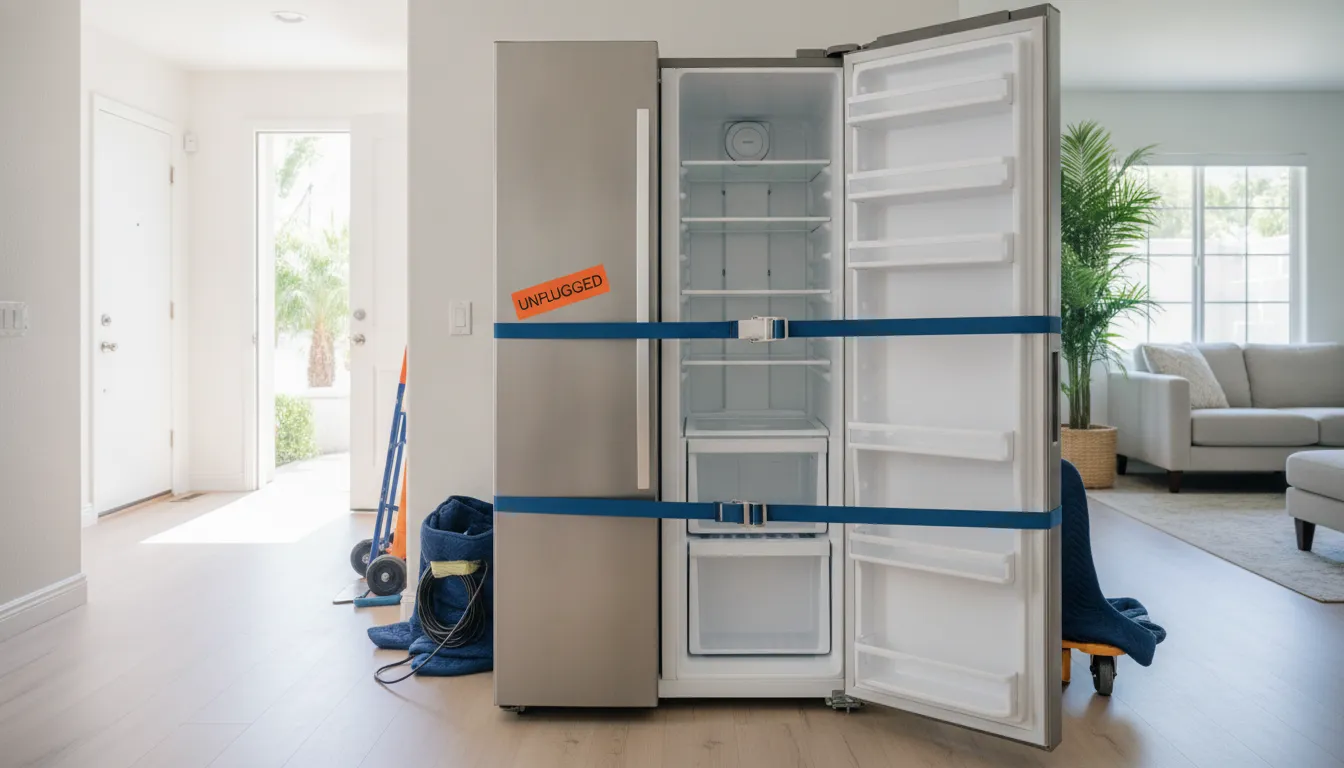
How to disconnect appliances before pickup
Before appliance removal, turn off and disconnect power, water, and gas, empty the unit, drain remaining water, secure loose parts, and tape doors closed. Hire a qualified professional for any gas line or hardwired electrical disconnection you cannot safely complete yourself.
Getting ready is the best way to ensure your appliance removal goes well. You want to make sure the unit is ready to go when the team gets there. This saves time and keeps all workers safe during the process. While our team can do the heavy work, we cannot handle live utility lines. You must have all power, water, and gas lines shut off before we arrive at your home.
Safety with gas and electric
You should always think about safety when you get ready for an appliance removal service. Many big items use gas or high-power lines. If your stove or dryer uses gas, you must shut the valve off first. You should also unhook the gas hose from the wall. If you are not sure how to do this, call a pro. Do not take risks with gas leaks because they are very unsafe.
Electric lines also need care. Some units are wired straight into your home’s power box. You must unhook these wires before the unit can be moved. For items like fridges and freezers, the Clean Air Act has strict rules about refrigerant. This is because coolants can hurt the air if they leak out. You should check if your unit has these fluids. If it does, make sure the lines are not cut or broken during your work.
Steps to get ready for pickup
Getting your unit ready only takes a few simple steps. Follow this list to make sure your refrigerator disposal or washer removal goes smooth. These steps help prevent mess and keep your home safe.
- Turn off all power and water valves. Unplug the cord and drain any water from the hoses to prevent leaks on your floor.
- Take out all items from the inside of the unit. This includes food, glass shelves, or loose bins that could fall out and break.
- Use strong tape to shut the doors tight. This keeps them from swinging open while the crew moves the unit through your house.
- Wrap the power cord and tape it to the back. Loose cords can trip the workers or get caught under the wheels of a dolly.
- Move any rugs or small furniture out of the way. A clear path from the kitchen to the door helps the team work fast.
- Wipe down the unit to remove dirt or grease. A clean unit is easier to grip and move without slipping.
Once the unit is ready, take a look at the path to the door. Our crew uses tools like dollies and straps to move heavy items. These tools need space to turn corners and go through doors. If there are boxes or shoes in the hall, please move them now. This helps prevent damage to your walls and floors during the haul.
You should also check the width of your doors. Some big fridges might need the doors taken off to fit through the door frame. If you know this is a problem, tell the team before they start their work. Our goal is to make the process as easy as we can for you. By taking these steps, you help us get the job done right the first time without any delays.
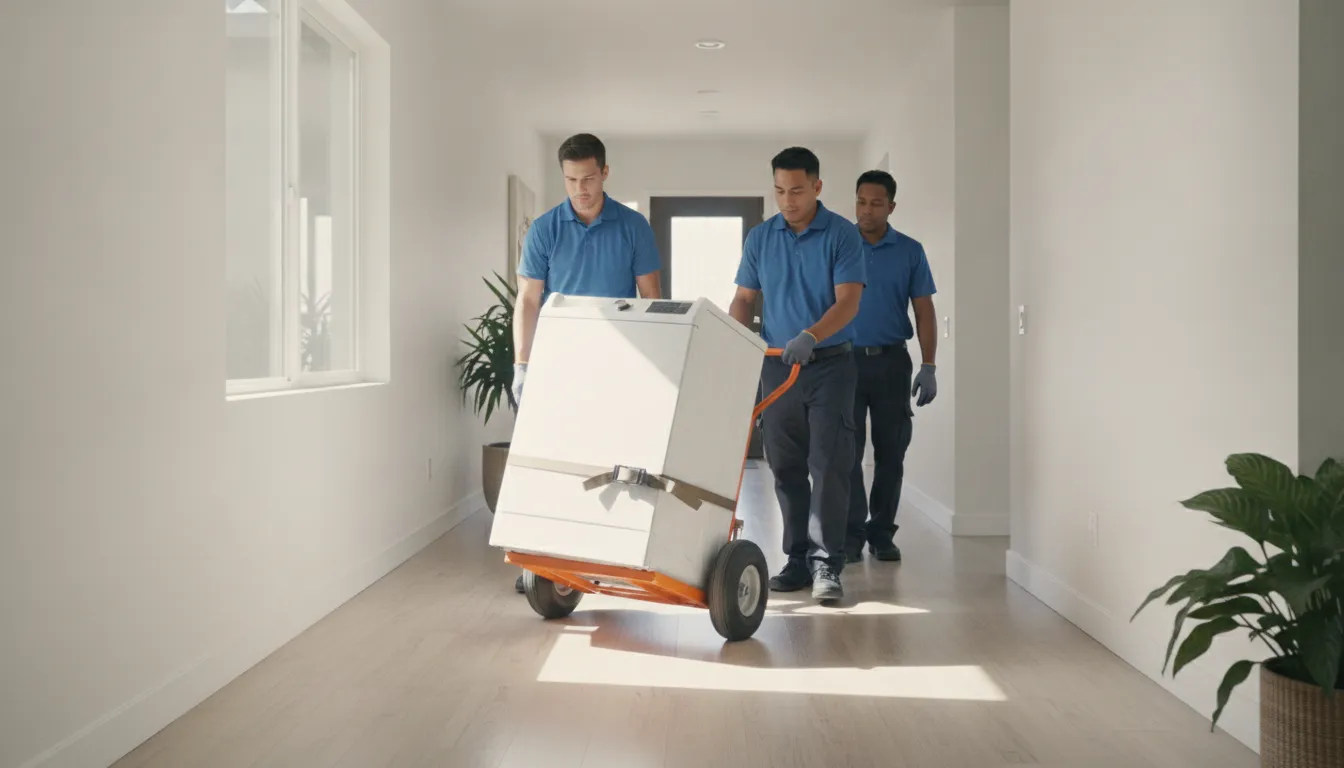
How should you prepare the pickup path?
Prepare the pickup path by measuring doors and hallways, removing rugs and clutter, protecting floors, securing pets and children, and reserving nearby truck access. Tell the removal team about stairs, tight turns, elevators, or parking limits before arrival.
Getting your home ready for an appliance removal service ensures the job goes well. A clear path lets the crew work fast and keeps your house safe from harm. You should start by looking at the route from the unit to the truck. This helps you find any tight spots or blocks that might slow down the team. It also lets you plan for any tools that might be needed to move through the space.
Clear the way to the exit
Measure your doors and halls before the team arrives. Large units like French door refrigerators often need every inch of space to pass through a frame. You may need to take doors off their hinges to make enough room for the move. Also, check that halls are clear of rugs, shoes, or small tables that could trip someone. If your path goes through a kitchen, check if cabinet doors or drawer handles might snag on the unit as it passes by.
If you live in a flat, check the rules for using lifts or stairs. You should tell the crew in advance if they need to use a freight lift. Also mention if they must carry the unit down many flights of stairs. Clear parking for the truck is also vital for a fast job. The closer the truck can get to your door, the safer and faster the haul will be for everyone.
Protect your home from damage
Moving heavy steel items can scuff or dent your floors and walls. While a trained crew uses dollies to protect your home, you can take extra steps too. Lay down thick cardboard or floor runners along the path to stop scratches on wood or tile. You should also check that low-hanging lights or wall art are out of the way. Taking these items down ahead of time stops breaks and gives the team more room to move.
Special care is needed to stop leaks during the move. Old cooling units contain oils and liquids that can be hard to find. According to the University of Utah, these fluids are often treated as unsafe waste. They are handled this way because they can harm the soil if they leak. A clear path helps the team keep the unit level and upright to avoid any spills inside your home.
Secure and empty the unit
You must empty all contents from the unit before the crew starts their work. For a refrigerator disposal, this means taking out all food, ice, and glass shelves. Tape down any loose parts inside, such as drawers or racks, so they do not slide around. This keeps the unit stable and stops the weight from shifting while the team lifts it. You should also turn off any water lines or gas pipes and check for loose screws that could fall out.
Secure the doors with strong tape or a strap so they do not swing open during the move. This is a key safety step that stops harm to the crew and damage to your door frames. Finally, keep kids and pets in a safe room during the pickup. A clear work zone helps the crew focus on the heavy lifting. It also keeps each person in your house safe until the job is done.
What happens to appliances after removal?
After appliance removal, reusable units may be directed toward donation where accepted. Broken appliances can be sorted for metal recovery, while refrigerants, oils, and other regulated materials must be handled by qualified facilities under applicable rules.
When you book an appliance removal service, the work does not end when the truck pulls away. Skilled haulers sort each unit to find the best way to handle it. Each machine goes through a check to see if it can still work or if it needs to be broken down for parts. This careful process helps keep large items out of local landfills and helps protect the nature in your area.
Check for reuse and donation
The first step in the process is to check the state of the machine. If a unit is still in good working order, it may have a second life. A team can help move it to a local group that takes used goods for those in need. This is a simple way to help the area while getting rid of your old gear. Donation is a great way to be green, but it depends on the rules of local centers.
Not every group can take every item you have. Some may only want newer units that do not need much work. If a unit is too old or is broken, it will move on to the next phase of the process. This keeps only safe and useful items for others and keeps broken junk from taking up space in local shops. This effort keeps waste low and makes the most of the gear you no longer need.
Sorting for metal recovery
For items that no longer work, the focus shifts to recovery. Many large machines like washers and dryers are mostly made of steel and other metals. These metals are very useful and can be melted down to make new items. By sending these units to the right place, we help save these parts instead of letting them sit in a dump. This keeps the cycle of making goods moving without needing as many new raw parts.
Most major appliances are known as white goods and have a high scrap value. Skilled teams make sure these machines go to centers that know how to pull them apart safely. This work helps reduce the need to mine for new raw metals, which is better for nature. It is a key part of the pricing for junk removal as it helps offset some costs.
Safe handling of dangerous parts
Certain units need extra care because of what they hold inside. This is true for machines that cool things, like a fridge or a freezer. These units often contain oils and gases that can be unsafe if they leak. Handling these items is a key part of safe refrigerator disposal. It takes skill and the right tools to do this work the right way.
Federal rules set strict paths for how to treat these items. For example, Section 608 of the Clean Air Act bans the release of certain gases during disposal. Centers must use special tools to pull 80% to 90% of the gas out of small units before they are crushed. These rules from the Environmental Protection Agency help keep the air clean and protect the ozone layer.
All coolants and oils found in old machines are treated as dangerous to stay safe. Keeping records of how these gases were pulled out is also a rule for disposal sites. By following these steps, skilled haulers ensure that your old gear does not harm the land in California. You can feel good knowing your old fridge was handled with care.
When professional appliance removal makes sense
Professional appliance removal makes sense when an item is too heavy to lift safely, sits behind stairs or tight turns, or requires responsible refrigerant handling. It is also helpful for larger cleanouts. A trained crew can protect the property and coordinate hauling in one visit.
Moving a fridge or a washing machine is more than a test of strength. These items are very heavy and can cause back pain or joint harm if you do not use the right form. Most home users lack the appliance removal service tools to shift these units safely. Our crew uses gear like dollies and ramps to keep your floors safe. And we know how to lift big loads so you do not risk a hurt back. This expert care ensures that your home stays in top shape during the full process.
Handling heavy units in tight spaces
Some old units are in tough spots like basements or at the top of thin stairs. Moving a big stove through a narrow hall can lead to home damage, so a pro team is a safe bet. We plan the path out of your house before we lift to keep the job fast and safe. We have the skill to move large goods through tight turns with ease. This means you do not have to worry about marks on your wood floors or holes in your walls.
Efficient help for large projects
If you are doing a full home cleanout or a shop remodel, you may have many units to toss at once. Managing one or two items is hard, but a whole set is a big task. We can take all your old goods in one trip, which saves you the time and cost of many trips to a dump. We give a free onsite estimate so you know the cost before the work starts.
Large projects like estate sales or office moves often result in a pile of unwanted appliances. Trying to load a truck on your own while managing a move is stressful, but our team can handle the volume. We focus on the heavy work so you can stay on track with your move. This help is vital for property managers who need to get a unit ready for new tenants. A clear space helps you move forward with your plans without any delay or extra work on your part.
Hiring a pro means you pay one clear price, and we manage the route and the disposal site for you. This saves you from a long day of driving and heavy lifting. You can book your haul away online to save even more time. You can also check our service locations to see if we are in your area.
Safe and legal disposal rules
There are strict rules for how to get rid of old goods, and federal laws stop the release of gas during disposal. These chemicals can harm the air if they leak out. Pros know how to handle these units so that the fluids are caught and stored in a safe way. We make sure your old items go to the right place to be recycled or moved out for good. This smart approach protects the planet and keeps you in line with all local waste codes.
Ready to clear out an old appliance? Get your free onsite estimate.
Frequently Asked Questions
How much does appliance removal cost?
Professional appliance removal cost usually depends on how much you have and how hard it is to reach. Most teams include the cost of work, the truck, and dump fees in their price. You can often get a free onsite estimate to find the exact price for your task. This helps make sure there are no hidden costs when the work is done.
Is free appliance removal available?
Some local power firms or charities offer free pickup for units that still work. If your item is still in good shape, donation centers may take it. But most pro firms charge a fee to haul it away. Based on the EPA, firms must follow strict rules to drain coolant. This fee helps pay for these steps to keep the world clean.
Can you remove appliances from a basement or second floor?
Yes, pro teams can move heavy units from tough spots like basements or top floors. It is best to tell the firm about these stairs or tight turns when you book your visit. This lets the crew bring the right tools, like carts or straps, to keep your floors safe. Giving this info soon helps the work go much faster.
Do I need to disconnect the gas line before pickup?
Yes, you must unhook all gas, water, and power lines before the crew gets there. For safety, junk teams often cannot work on live lines. If you are not sure how to turn off a gas valve or unhook a water line, you should hire a pro. This keeps your home safe during the appliance removal task.
Schedule a free onsite estimate for your appliance removal
Old appliances take up too much of your prime floor space. They might also leak oil or water and cause deep marks on your floors. These marks are very hard to fix if you wait too long to act. You could hurt your back or legs if you try to lift a heavy stove alone. When you book a team for appliance removal service today, you get your space back fast. Our crew will do all the heavy lifting for you. Your home will be safe and clear of junk in just one day.
Ready to clear your space? Book your appliance pickup today to get a free onsite estimate.